
MCL Injury Treatment in Nashik
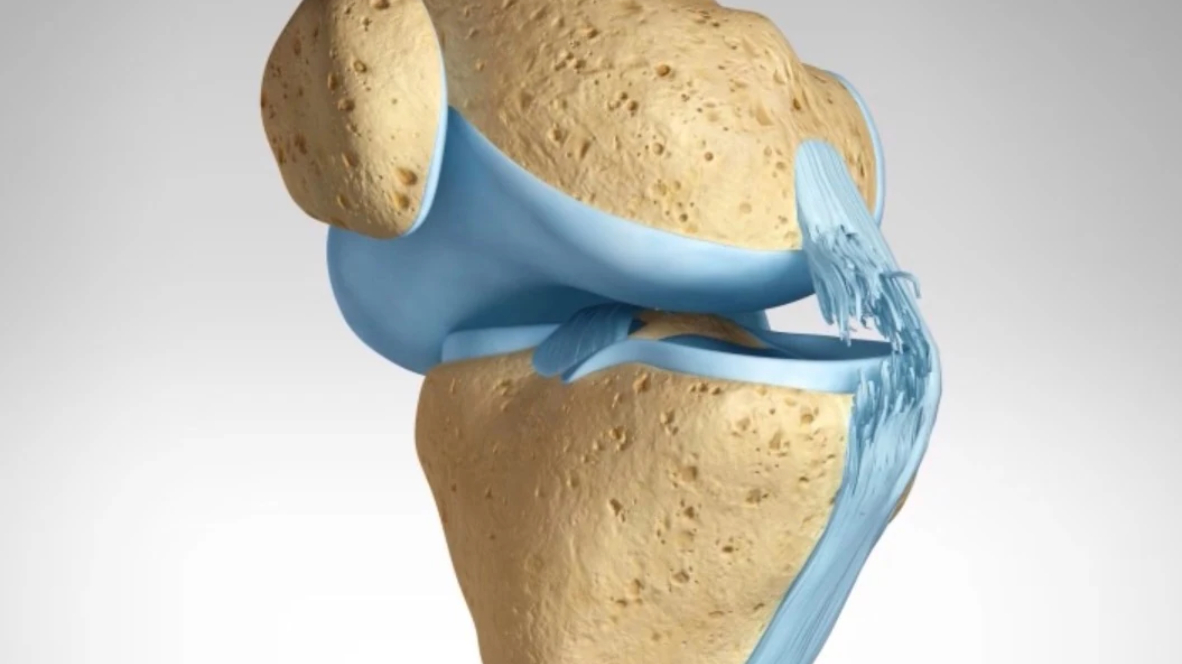
The Medial Collateral Ligament (MCL) plays a crucial role in stabilizing the inner side of the knee joint. Injuries to the MCL are common in sports activities, falls, and accidents, and can cause pain, swelling, and instability.
At Kasliwal Hospital, Nashik, we provide advanced MCL injury treatment, including conservative management and arthroscopy-assisted ligament repair when required. Under the leadership of Dr. Vishal Kasliwal, our orthopedic team focuses on restoring knee stability and helping patients return to normal activities safely.
An MCL (medial collateral ligament) injury refers to a sprain or tear of the ligament located on the inner side of the knee. The MCL helps stabilize the knee by preventing it from bending inward. MCL injuries are common in sports and can vary in severity from mild sprains to complete tears.
Causes:
- Direct Blow to the Knee: Often occurs in contact sports like football or hockey when the outside of the knee is hit, causing the inside to stretch or tear.
- Twisting Movements: Sudden twisting or turning motions, especially when the foot is planted and the knee rotates.
- Overuse: Repeated stress on the knee from activities such as running or jumping.
- Accidents: Falls or motor vehicle accidents can also lead to MCL injuries.
Symptoms:
- Pain: Usually felt along the inner side of the knee.
- Swelling: May occur soon after the injury.
- Instability: The knee may feel wobbly or give way.
- Stiffness: Difficulty bending or straightening the knee.
- Bruising: Discoloration around the knee area.
Diagnosing:
- Physical Examination:
- Palpation: Doctor feels along the MCL to check for tenderness and swelling.
- Stress Tests: Applying pressure to the knee in various positions to assess stability and pain response.
- Imaging Tests:
- X-rays: To rule out bone fractures.
- MRI: Provides detailed images of soft tissues, including the MCL, to determine the extent of the injury.
Treatment Options:
- Non-Surgical Treatments:
- RICE Protocol: Rest, Ice, Compression, and Elevation to reduce pain and swelling.
- Medications: Anti-inflammatory drugs such as ibuprofen to alleviate pain and inflammation.
- Bracing: Knee braces to provide support and limit movement.
- Physical Therapy: Exercises to restore range of motion, strengthen muscles around the knee, and improve stability.
- Surgical Treatments (for severe cases):
- MCL Repair: Surgical stitching of the torn ligament.
- Reconstruction: Using a graft (from the patient or a donor) to replace the damaged ligament.
- Arthroscopy: Minimally invasive procedure to clean out damaged tissue or to assist in repair.
Prevention Tips:
- Strengthening Exercises: Focus on strengthening the quadriceps, hamstrings, and muscles around the knee to provide better support.
- Proper Technique: Use proper form in sports and activities to avoid undue stress on the knee.
- Warm-Up and Stretching: Engage in proper warm-up and stretching exercises before physical activity to prepare the muscles and ligaments.
- Protective Gear: Wear appropriate gear such as knee pads or braces during high-risk activities.
- Avoid Overuse: Incorporate rest days and avoid repetitive knee strain.
Recovery After MCL Injury Treatment
Recovery typically includes:
- Structured physiotherapy program
- Muscle strengthening exercises
- Controlled movement training
- Gradual return to sports activities
Most patients recover within 4–8 weeks depending on injury severity.
Book your consultation with Dr. Vishal Kasliwal at Kasliwal Hospital for accurate diagnosis and personalized knee ligament treatment.